

Have you noticed slow drains in your home? Hearing gurgling sounds from your toilets? These troubling signs might not be the obvious culprit you’d think. Many homeowners in Tyler, TX overlook one of the most critical (yet invisible) components of their plumbing system: the plumbing roof vent.
The plumbing roof vent plays a vital role in keeping your drainage system functioning smoothly and safely. Without it, your home would experience backing up sewage, foul odors, and slow drainage that no amount of plunging can fix. This comprehensive guide covers everything you need to know, from vent functions to warning signs that signal immediate action. If you’re a Tyler homeowner or facing mysterious plumbing troubles, read on to discover causes, solutions, and when to call local professionals.
What Is a Plumbing Roof Vent and Why Your Home Needs It
The Primary Functions of Plumbing Vents
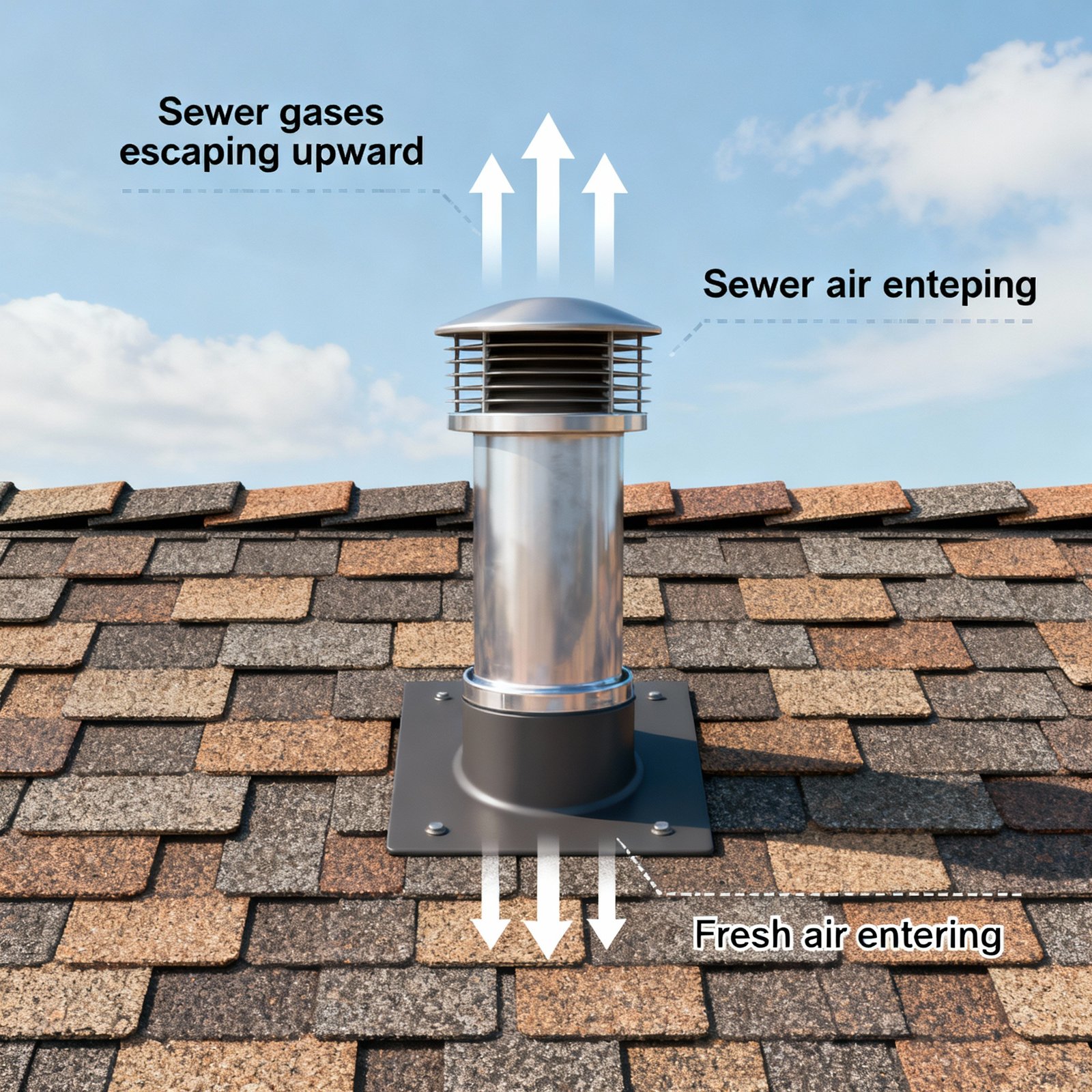
A plumbing roof vent (also called a vent stack or DWV vent) is a vertical pipe extending from your system through your attic and above your roofline. It serves two essential functions:
- Keeps air pressure balanced. Draining water creates a vacuum that, without a vent, can siphon P-trap seals and allow sewer gases to enter your home.
- Vents sewer gases safely. Sewer odors and gases travel up the vent stack and away from the home.
How Plumbing Vents Work in Your Home
When you flush or drain water, the vent lets air flow in behind it, ensuring smooth passage and letting gases vent out the roof.
Air Pressure Regulation Explained
Vents create a balance between air inside the pipes and outside, preventing slow drainage, water backups, and sewer gas entry.
Different Types of Plumbing Vents in Residential Homes
True Vent (Individual Vent)
This vent serves only one fixture and runs straight up above the roof, maintaining air pressure and letting gases escape.
Common Vent
Used when two fixtures are back-to-back, reducing required roof penetrations. Install must follow codes.
Wet Vent vs. Dry Vent
Dry vents only transport air and gases; wet vents serve as both a vent and a wastewater transport for certain fixtures. Wet vents require special code compliance.
Stack Vent and Vent Stack
Main vertical vent serving the whole home. All fixtures connect here; it is the system’s central conduit for venting and draining.
7 Warning Signs Your Plumbing Roof Vent Is Clogged

- Slow draining fixtures throughout the house
- Gurgling noises from drains and toilets
- Foul sewer odors inside your home
- Bubbling toilets when water runs nearby
- Water backing up in multiple fixtures
- Weak toilet flushes
- Empty or dry P-traps
Common Causes of Plumbing Vent Blockages
- Debris and leaves accumulation
- Bird nests and animal blockages
- Ice formation in winter
- Structural damage to vent pipes
How to Unclog a Plumbing Roof Vent: Step-by-Step Guide
Safety Precautions Before Starting
- Never work on the roof in bad weather
- Use safety gear and never work alone
Tools You’ll Need
- Plumbing snake, garden hose, flashlight, gloves
Locating the Vent on Your Roof
Look for a pipe 4-6 inches in diameter, extending above the roof, usually centered for the house.
Testing for Blockages
- Listen for gurgling, observe slow drainage with multiple fixtures running
- Use a snake to test resistance up the stack
Plumber’s Snake Technique
- Feed a long snake up the stack, break debris loose, repeat until clear
Garden Hose Flushing
- Use a cleanout, garden hose and bladder to flush debris downward
Clearing Vents from the Attic
If accessible, use a flashlight and snake from the attic side for safer cleaning.
Plumbing Roof Vent Installation and Flashing Requirements
Code Requirements for Vent Height
- Extend at least 6 inches above roof, 10 feet from windows or external air intakes
Proper Flashing Installation
- Use metal boot flashing, sealed well to prevent leaks
- Shingles overlap flashing as per code
Materials
- PVC (modern homes), cast iron (older), copper (premium)
Vent Caps
- Use vent caps to block debris and animals; recommended in East Texas
DIY vs. Professional Plumbing Vent Services: Making the Right Choice
When DIY Works
- Removing visible debris, clearing minor stoppages, using a snake from inside
When to Call a Professional
- Blockage at or above roofline, persistent multiple symptoms, roof or pipe damage, flashing leaks
Cost Comparison (Tyler, TX)
- DIY: $20-$100 tools, 1-3 hrs. Professional: $150-$1,500 depending on severity
Finding Qualified Plumbers
- Licensed and insured in TX, verified reviews, multiple quotes recommended
Preventing Future Plumbing Vent Problems
Regular Inspections
- Inspect quarterly and after storms
- Annual professional check-up recommended
Protective Vent Screens
- Install vent caps with mesh to keep out debris and animals
Seasonal Maintenance
- Clear leaves in fall, check for ice in winter, inspect after spring storms and summer growth
Professional Maintenance Programs
- Consider regular service to prevent emergencies
Conclusion
Your plumbing roof vent is the breath of your home’s plumbing system. Don’t let sneaky blockages or leaks disrupt your daily life—knowing the signs and taking action early preserves both comfort and health. For expert service in Tyler, TX, contact East Texas Construction: the professionals trusted to handle the unique needs of East Texas homes.